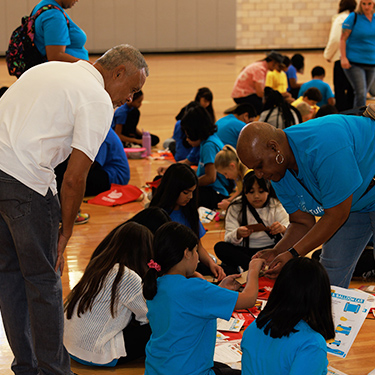

Homeschooling offers families flexibility, customization, and the ability to meet children where they truly are academically and emotionally. While many parents focus on curriculum choices and daily schedules, one often overlooked factor in homeschool success is small-group learning. Whether through co-ops, tutoring pods, or shared learning days, small group instruction can play a powerful role in a well-rounded homeschool experience.
Why Small Group Learning Matters
One of the biggest advantages of homeschooling is individualized attention. Small group learning builds on that strength by adding peer interaction without overwhelming distractions. Unlike large classrooms where students may feel lost or hesitant to speak up, small groups create a safe environment for discussion, questions, and collaboration.
In these settings, students are more likely to:
- Participate actively
- Ask questions without fear
- Receive immediate feedback
- Learn from peers’ perspectives
This balance of personalization and collaboration helps students develop confidence while still benefiting from social learning.
Academic Benefits of Small Groups
Academically, small group learning allows for targeted instruction. Students often learn at different paces, even within the same household. Small groups make it easier to group learners by skill level or subject focus, ensuring that instruction meets students where they are instead of forcing everyone to move at the same pace.
Small group environments are especially effective for:
- Reading comprehension and literacy
- Math problem-solving
- Writing and discussion-based subjects
- Test preparation or skill reinforcement
Because instructors or facilitators can quickly identify learning gaps, students receive support before frustration or burnout sets in.
Social Growth Without Overstimulation
One common concern about homeschooling is socialization. Small group learning provides meaningful social interaction without the pressure or overstimulation that can come with large classrooms. Students learn essential skills such as:
- Taking turns
- Listening respectfully
- Working as a team
Communicating Ideas Clearly
These interactions mirror real-world collaboration more closely than traditional classroom environments and help children build lasting friendships through shared learning experiences.
Emotional Confidence and Accountability
Small groups also encourage accountability. When students know they are part of a learning team, they are more likely to stay engaged and prepared. At the same time, the supportive nature of a small group builds emotional confidence. Students feel seen, valued, and encouraged—key factors in long-term academic motivation.
Practical Advice for Homeschool Families
To incorporate small group learning into your homeschool day, consider:
- Joining or forming a homeschool co-op
- Scheduling small group tutoring sessions
- Partnering with other families for shared subject days
- Enrolling in enrichment programs or learning pods
Even one or two small group sessions per week can make a meaningful difference.
Final Thoughts
Homeschooling doesn’t have to mean learning alone. By intentionally including small group learning during the school day, families can enhance academic growth, social development, and emotional well-being. When students learn together in focused, supportive environments, they gain skills that extend far beyond the lesson—preparing them for lifelong learning and collaboration.