A student’s ability to learn is influenced by much more than what happens during the school day. While teachers and classrooms play an important role in academic development, students are also shaped by the families, neighborhoods, organizations, and communities that surround them. When children grow up in environments where learning is valued, relationships are supportive, and their individual strengths are recognized, they are more likely to approach education with confidence and a willingness to grow.
As educators, we know that students do not leave their lives outside of school at the classroom door. Their experiences, relationships, and sense of belonging can influence how they participate, communicate, and respond to challenges. A student who feels supported in their community often has a stronger foundation from which to engage in learning.
The Importance of Belonging
One of the most important factors in a student’s educational experience is a sense of belonging. Children need to feel that they are valued members of their school, family, and community. When students feel accepted and understood, they are more likely to participate, ask questions, and take academic risks.
Learning requires students to make mistakes. A child who is afraid of being judged may avoid answering a question or attempting something difficult. A child who feels encouraged is more likely to try, even when they are unsure of the outcome. Creating communities where mistakes are viewed as part of learning can help students develop confidence and perseverance.
Families and ʻOhana as a Foundation
Family and ʻohana play an important role in shaping a child’s attitude toward education. When adults show interest in what a student is learning, encourage good study habits, and celebrate progress, they reinforce the importance of education.
This support does not have to involve complicated activities. Asking a child about their school day, reading together, creating time for homework, or simply listening when a child is frustrated can make a meaningful difference. These interactions communicate that the child’s education matters and that they do not have to navigate challenges alone.
Learning Beyond the Classroom
Communities also provide opportunities for students to connect academic learning to real-life experiences. Libraries, cultural programs, community organizations, sports, museums, local events, and outdoor spaces can all contribute to a child’s development.
When students have opportunities to explore their interests and apply what they learn, education becomes more meaningful. They begin to understand that learning is not simply about completing assignments or earning grades. It is about developing curiosity, solving problems, communicating with others, and understanding the world around them.
When a Community Works Together
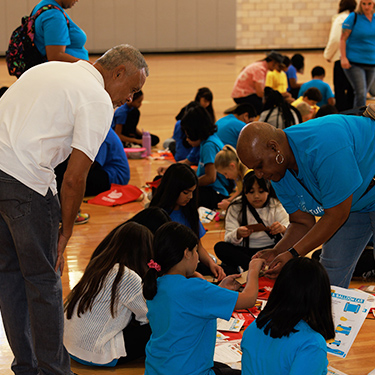
Students are strongest when the adults around them work together. Teachers, families, tutors, mentors, and community leaders each bring a different perspective and can help identify both a student’s strengths and areas where additional support may be needed.
At Tutor Journey, we believe education is a shared responsibility. When schools, families, tutors, and communities create a consistent network of encouragement, students are given more opportunities to succeed academically and personally.
A strong community does more than support a student’s education. It helps students believe they belong, that their voice matters, and that they are capable of overcoming challenges. When we create environments where every student is encouraged to learn and grow, we help build not only stronger students, but stronger communities for the future.