Small group and 1:1 tutoring have become some of the most effective ways to help students improve academically, build confidence, and develop a stronger love for learning. In today’s classrooms, teachers are often balancing the needs of many students at different learning levels. While schools work hard to support every child, personalized tutoring provides the extra attention students sometimes need to truly thrive.
One of the biggest benefits of 1:1 tutoring is individualized instruction. Every student learns differently. Some students need more time to process information, while others may need lessons explained in a different way. In a one-on-one setting, tutors can tailor instruction specifically to the student’s learning style, pace, and academic goals. This personalized attention helps students better understand difficult concepts and allows them to ask questions without feeling embarrassed or rushed.
1:1 tutoring also helps students build confidence. Many students who struggle in school begin to doubt their abilities over time. When a tutor works closely with a student and celebrates small wins along the way, the student begins to feel more capable and motivated. Confidence often leads to better classroom participation, improved test scores, and a more positive attitude toward learning overall.
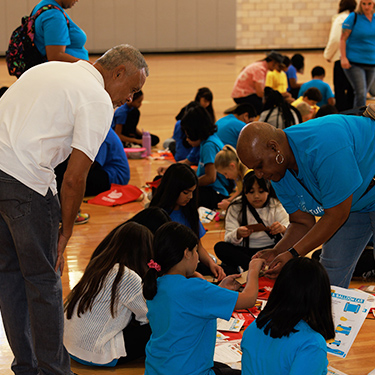
Small group tutoring offers many of the same academic benefits while also creating opportunities for collaboration and social learning. In a small group environment, students can work together, share ideas, and learn from one another in ways that may not happen in a larger classroom setting. These groups are typically kept small enough that each student still receives personalized attention from the tutor while benefiting from peer interaction.
Another advantage of small group tutoring is that students often feel more comfortable knowing they are not alone in their challenges. Seeing peers work through similar struggles can reduce anxiety and create a supportive learning environment. Students often become more engaged when lessons include discussion, teamwork, and interactive activities.
Both small group and 1:1 tutoring can also help close learning gaps faster. Whether a student fell behind due to missed school, struggled with a difficult subject, or simply needs extra reinforcement, tutoring provides targeted support focused on the exact skills the student needs to improve. This focused instruction can accelerate learning and help students catch up more efficiently than in a traditional classroom setting alone.
Tutoring is not only beneficial for struggling students. Advanced learners can also benefit from personalized instruction that challenges them academically and keeps them engaged. Tutors can introduce enrichment activities, advanced concepts, and personalized goals that help students continue growing beyond grade-level expectations.
Parents also benefit from tutoring because it provides additional academic support outside the home. Tutors can help reduce homework stress, improve study habits, and provide regular feedback on student progress. This partnership between tutors, students, and families creates a stronger support system that encourages long-term academic success.
Ultimately, small group and 1:1 tutoring provide students with the focused attention, encouragement, and customized learning experience they need to succeed. By building confidence, strengthening academic skills, and creating positive learning environments, tutoring can make a lasting impact on a student’s educational journey and future success.